


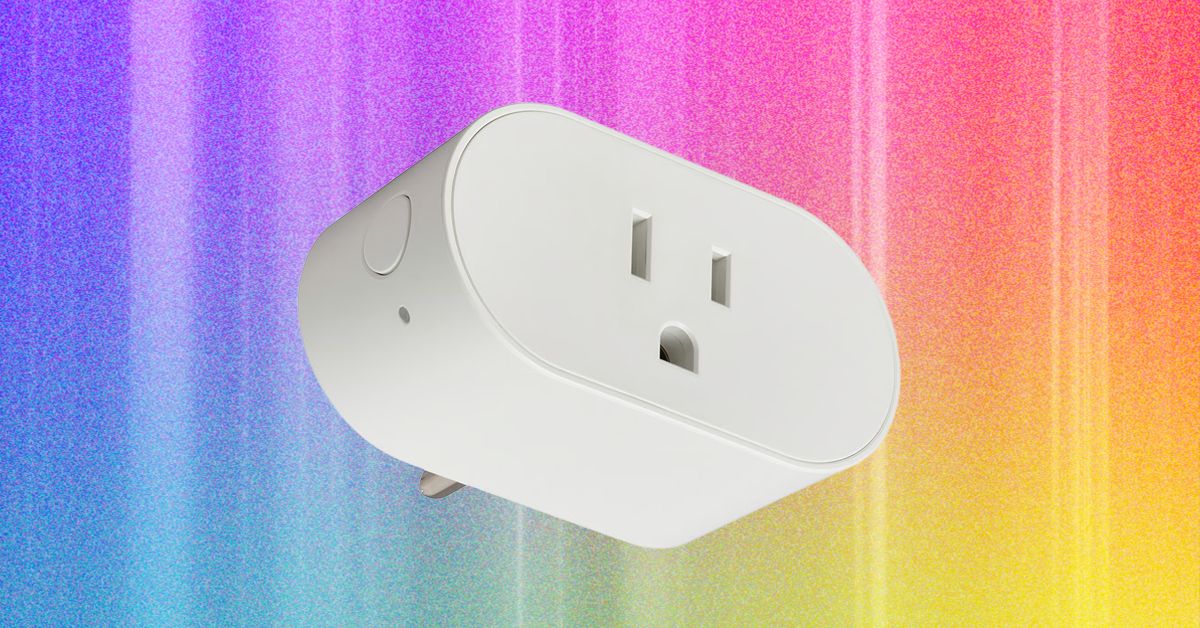
A smart plug is a pretty handy gadget, but for a while, they were touted as a device you could add to anything to turn it smart. That’s true to a certain degree; you can use a smart plug to add instant power control to any outlet, letting you turn it on and off at your command from anywhere in your home (or even when you aren’t there). The TV can now turn off on command, the lights will automatically flip on at 5 pm, and a simple coffee maker or appliance can essentially run itself if all it needs is power.
If you’re looking to control something simple that only needs power sent to it, then we’ve found some of the best smart plugs to do that for you. TP-Link’s smart plugs have been my favorite for years, and the TP-Link Tapo Matter-Certified Smart Plug Mini (P125M) ($25, 3-pack) lets you connect it to your home hub of choice using the Matter protocol. Smart plugs are also great for outdoor use; the Cync Outdoor Smart Plug ($17) is designed for this purpose and includes two built-in outlets.
Uncertain if a smart plug can solve your dumb device problems? Read on for all of our tips on what smart plugs are really for, how to best use them, and how to tell if they’re a fit for your device. While you’re at it, be sure to check out our other smart-home buying guides, including Best Smart Bulbs, Best Security Cameras, Best Smart Speakers, and Best Smart Displays.
Updated April 2026: The Ikea Grillplats Smart Plug is a new pick in this guide, and we’ve added a new section about energy monitoring.
What’s a Smart Plug? What Can They Do?
Smart plugs attach to an outlet socket, and then you plug your device of choice (a lamp, a coffee maker, et cetera) into the plug to control the power flow. The smart plug connects to your home Wi-Fi, letting you manage it with automated schedules, a dedicated app, or your voice via a smart speaker, if you have one.
Controlling the power flow to a device can let you switch on lamps around your house at a certain time or turn them off without leaving your bed. It can also let you turn on simple coffee machines or turn off the TV for you. But for many devices, sending power back to the device doesn’t necessarily turn it back on.
What Devices Work Best With Smart Plugs?
A smart plug is a great fit for a device with a simple on-and-off switch you can leave on, letting the smart plug handle the on-and-off part. The best example is a lamp with a manual switch, and it’s my most frequent use of a smart plug around my house. I also really like outdoor-specific smart plugs for “dumb” outdoor lights and decorations (like my Santa Claus inflatable that hangs off my balcony), though I’ve now switched to permanent outdoor lights that have controls akin to a smart bulb.
Smart plugs also have scheduling capabilities in the app, so you can set them to turn your lights on and off at certain times to make it look like you’re home, or have all the lights and TV turn off automatically at 11 pm to force yourself to go to bed. (I do this, but I just tell Alexa to turn it back on. Maybe one day I’ll go to bed on time.)
I’ve used my smart plugs with a TV to turn it off, but sending power back to it doesn’t actually turn it back on, so it wasn’t as useful to me at the time. Now, with a 3-year-old, that could be a handy way to claim that the TV is broken so that I don’t have to watch another episode of Mickey Mouse Clubhouse for the umpteenth time.
What Devices Don’t Work Well With Smart Plugs?
Smart plugs aren’t a great fit for devices that require you to push buttons or select a mode for it to work after the power is already sent to it. My electric teakettle won’t heat up until I choose how hot it should get, for example, so I can’t use a smart plug to start my morning routine, as some people recommend. Many coffee machines work the same way. As mentioned above, the TV is another example that won’t turn on when power is restored; I would still need to find the remote to turn it on and choose what I want to watch.
What Else Can Smart Plugs Do?
If controlling your “dumb” devices and lights isn’t a huge interest for you, you can also use smart plugs to track your home’s energy usage. It’s a great option if you’re curious about where your energy consumption is coming from, and if you’re trying to intentionally use electricity at the best times of day for higher-consumption items. I’m testing the Kasa EP25 ($23) next for this guide, with that use in mind.
Our Favorite Smart Plugs
We’ve tested many smart plugs over the years. These are our favorites.